Global Retail Media Ad Spend to Surpass $200B by 2026
Global retail media advertising spend will top $200 billion in 2026, according to a forecast flagged this week by Sixteen:Nine. The projection puts retail media on a steep growth curve inside the broader digital advertising market and forces a rethink of how martech teams plan commerce, measurement, and creative operations.
What does the $200B figure actually cover?
Retail media refers to ad inventory sold by retailers rather than by traditional publishers or independent walled gardens. Three inventory buckets make up the bulk of the spend:
- On-site sponsored product listings and banner ads on retailer e-commerce domains
- Off-site display, video, and CTV inventory sourced from retailer first-party shopper data
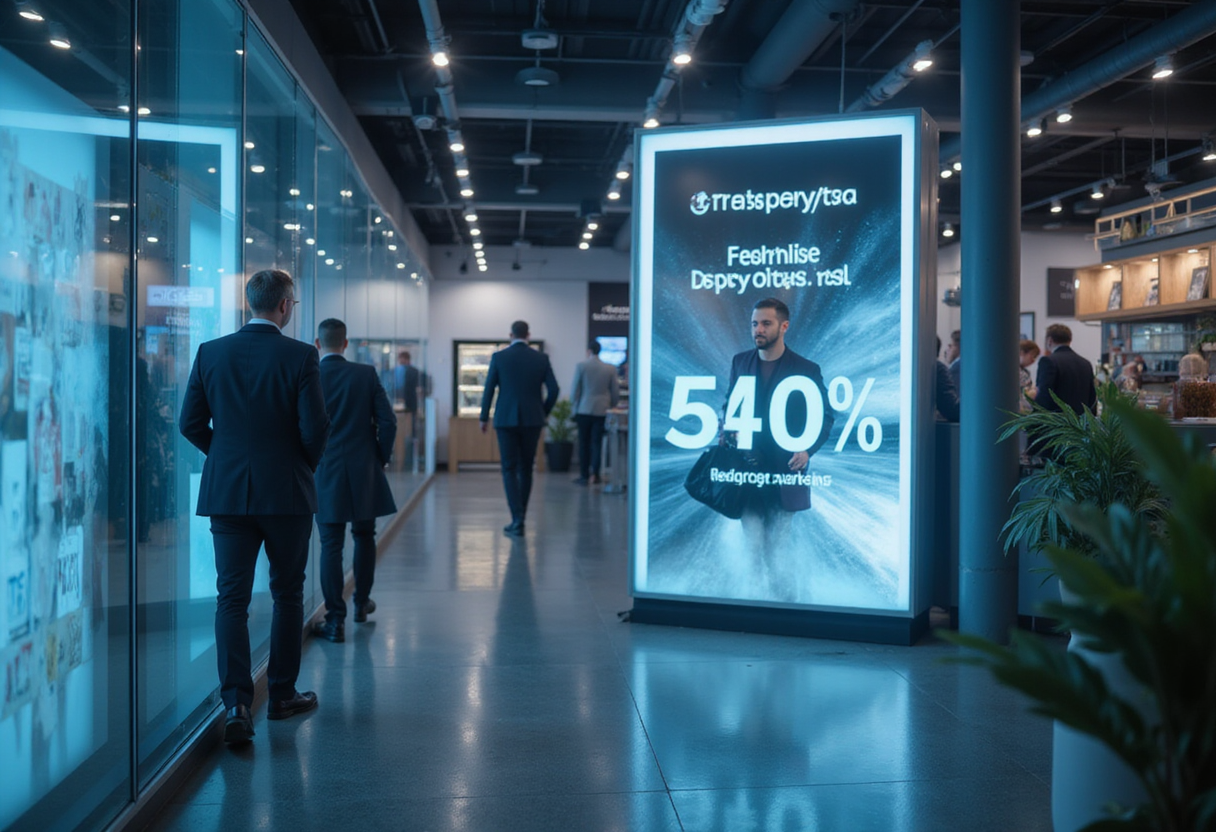
- In-store retail media networks running on digital signage, end-caps, and point-of-sale screens
The forecast aggregates global spend across all three categories. Sixteen:Nine's headline note does not break out regional splits, individual retailer revenue, or channel mix in the figure itself.
Why does this matter for martech practitioners?
Three operational consequences follow from a $200 billion global spend figure:
- Retail media stops being a test line item. At this scale, the channel needs its own operating model, not a tag-on inside paid social or search.
- First-party retailer data becomes a primary targeting input. Brands that cannot ingest retailer clean-room feeds will fall behind on audience targeting and segmentation.
- Closed-loop measurement becomes table stakes. Retailers sell on attributable sales outcomes, and advertiser analytics teams need pipelines that reconcile retailer-reported conversions with MMM and incrementality tests.
How does this change the martech stack?
The forecast reinforces three stack decisions practitioners face heading into 2026:
- Marketing cloud integration. Retailer ad APIs carry different taxonomies and reporting schemas than Google Ads or Meta. Practitioners need explicit connectors inside their marketing clouds — not spreadsheets.
- Unified reporting. On-site, off-site, and in-store retail media buys now require a single reporting view across sponsored products, programmatic display, and in-store impressions.
- Clean-room partnerships. Advertisers and retailers increasingly share data inside privacy-safe clean rooms. Martech teams should evaluate Snowflake, Habu, LiveRamp, or AWS Clean Rooms for these workflows.
What is the practitioner playbook for 2026?
Marketers should treat the Sixteen:Nine coverage as a signal to revisit four areas before next year's budget cycle:
- Budget allocation by channel. If retail media grows faster than search and social, the 2026 media plan needs a rebalance toward retailer-sold inventory.
- Vendor selection. Self-serve retail media platforms now extend beyond the top five retailers. Mid-tier grocers and big-box chains operate their own ad businesses, and each has different onboarding paths.
- Creative production. Retailer-format creative specs differ from social specs. Teams need separate production pipelines for sponsored listings, banner units, and off-site display.
- Measurement infrastructure. Marketing mix modeling and incrementality testing must accommodate retailer-reported sales lifts alongside MMM and MTA outputs.
What happens next?
The forecast lands as more retailers open self-serve ad platforms to advertisers outside their top brand partners. The category has moved from a niche commerce tactic to a structural media channel with dedicated ops, measurement, and creative functions.
Practitioners who keep retail media as an experimental add-on will lose budget share to teams that run it as a core channel with its own dashboards, vendor SLAs, and planning rituals. The $200 billion figure is the line where that transition becomes permanent across the global market.
Source: Google News: retail media network
James Calloway
Show full bio
Correspondent covering people, launches and day-to-day practice in marketing technology at Martech Beacon.