Dollar General Links Onsite and Offsite Retail Media in New Platform
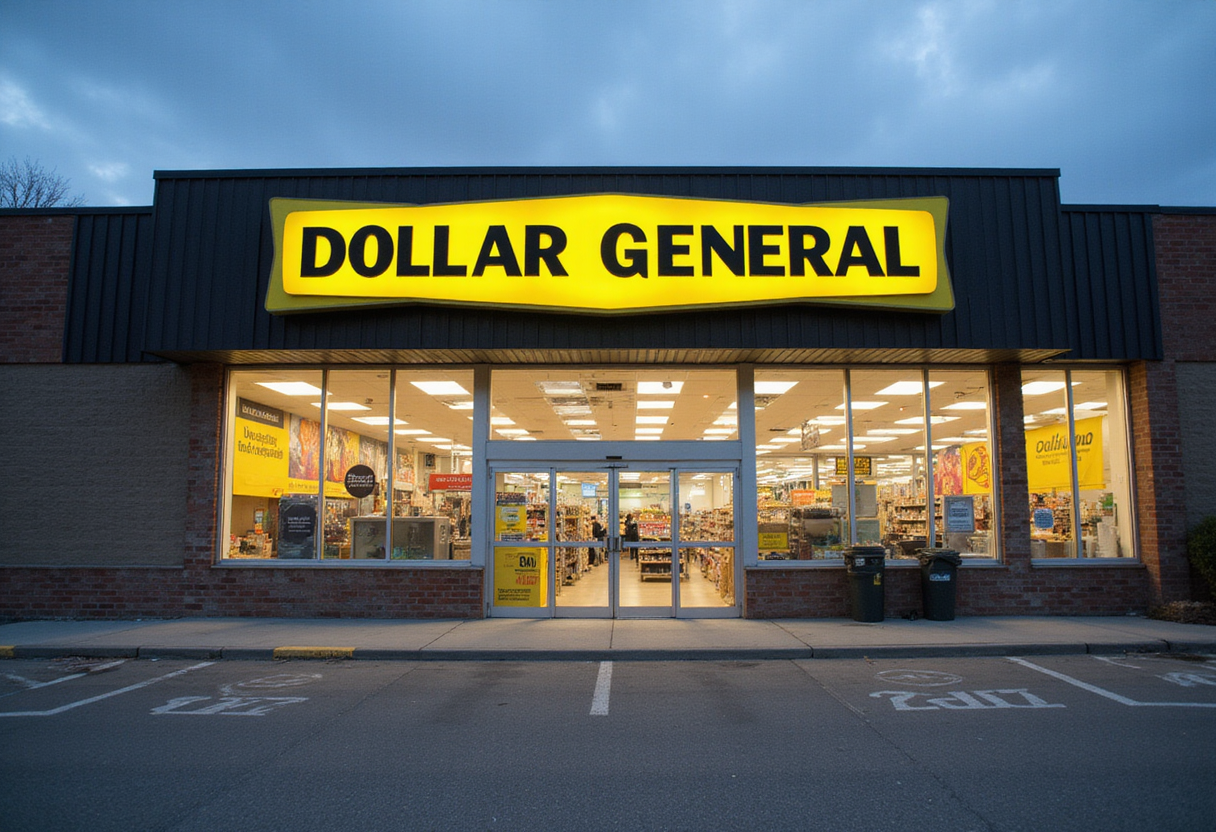
Dollar General has launched a new retail media solution designed to bridge its onsite and offsite advertising capabilities, uniting campaigns that run on the retailer's owned digital properties with those placed across external channels under a single offering.
The move targets one of the most persistent friction points for retail media practitioners: the split between onsite placements — sponsored search and display on a retailer's own e-commerce surfaces — and offsite buys that follow shoppers onto social platforms, connected TV and the open web. Until now, advertisers working with Dollar General have typically had to plan, activate and measure those two halves of the funnel separately.
Why does the onsite-offsite split matter for advertisers?
Retail media networks have raced to expand beyond their own digital shelves because that is where incremental reach and upper-funnel budgets live. But expansion created a measurement gap. A brand can see exactly which sponsored search click led to a basket on the retailer's site; proving that an offsite impression drove that same store or online purchase is harder.
By tying the two together, Dollar General is positioning itself to offer closed-loop attribution across the full campaign — using its first-party purchase data to connect offsite exposure with actual sales, in stores as well as online. For CPG brands, that is the core promise of retail media over traditional digital advertising.
What does this change for practitioners?
For media buyers and trade marketing teams, a unified onsite-offsite solution typically changes workflow in three ways:
- Single planning surface. Campaigns can be structured across Dollar General's owned properties and external inventory without negotiating separate deals or briefs for each environment.
- Shared audiences. Segments built from the retailer's shopper data — category buyers, lapsed buyers, high-value households — can be applied both onsite and offsite, rather than siloed per channel.
- Consolidated measurement. Reporting folds onsite and offsite performance into one view, letting teams compare cost per incremental sale across channels instead of stitching together vendor dashboards.
The practical payoff for brands selling through Dollar General is budget fluidity: spend can shift toward whichever channel demonstrates incremental lift, using sales data rather than proxy metrics.
Why is Dollar General leaning into retail media now?
Dollar General serves a shopper base that many national advertisers struggle to reach through conventional digital channels — rural, value-driven and heavily store-based. Its physical footprint spans thousands of neighborhood locations, and its first-party data reflects real purchases from a demographic that larger retail media players under-index on.
That store-heavy footprint makes offsite capability especially valuable. Most Dollar General sales happen in physical stores, so an advertising offer limited to onsite placements would cover only a fraction of the purchase journey. Bridging to offsite channels lets brands influence shoppers before they arrive at the shelf, then attribute the trip back to the ad.
Retail media remains one of the fastest-growing ad channels, and discounters represent an underexploited corner of it. Dollar General's move signals that the category is no longer the exclusive province of mass merchants and club stores.
What should advertisers watch next?
Details that will determine real adoption include pricing mechanics for cross-channel campaigns, which external publishers and programmatic partners are integrated at launch, and whether measurement is delivered in-house or through a partner stack. Advertisers will also want clarity on how store-level sales attribution works given the retailer's dense small-format network.
For now, the direction is clear: Dollar General wants a bigger share of CPG media budgets by making its shopper data actionable everywhere a brand might want to buy — not just on Dollar General's own digital shelf. Brands already distributing through the discounter should evaluate whether the unified offer justifies shifting test budgets from broader networks into closed-loop retail media.
Source: Google News: retail media network
Amara Osei
Show full bio
Market editor covering technology and product news in marketing technology at Martech Beacon.