Dollar General Expands Retail Media Network with AI Audio and Unified Ad Platform
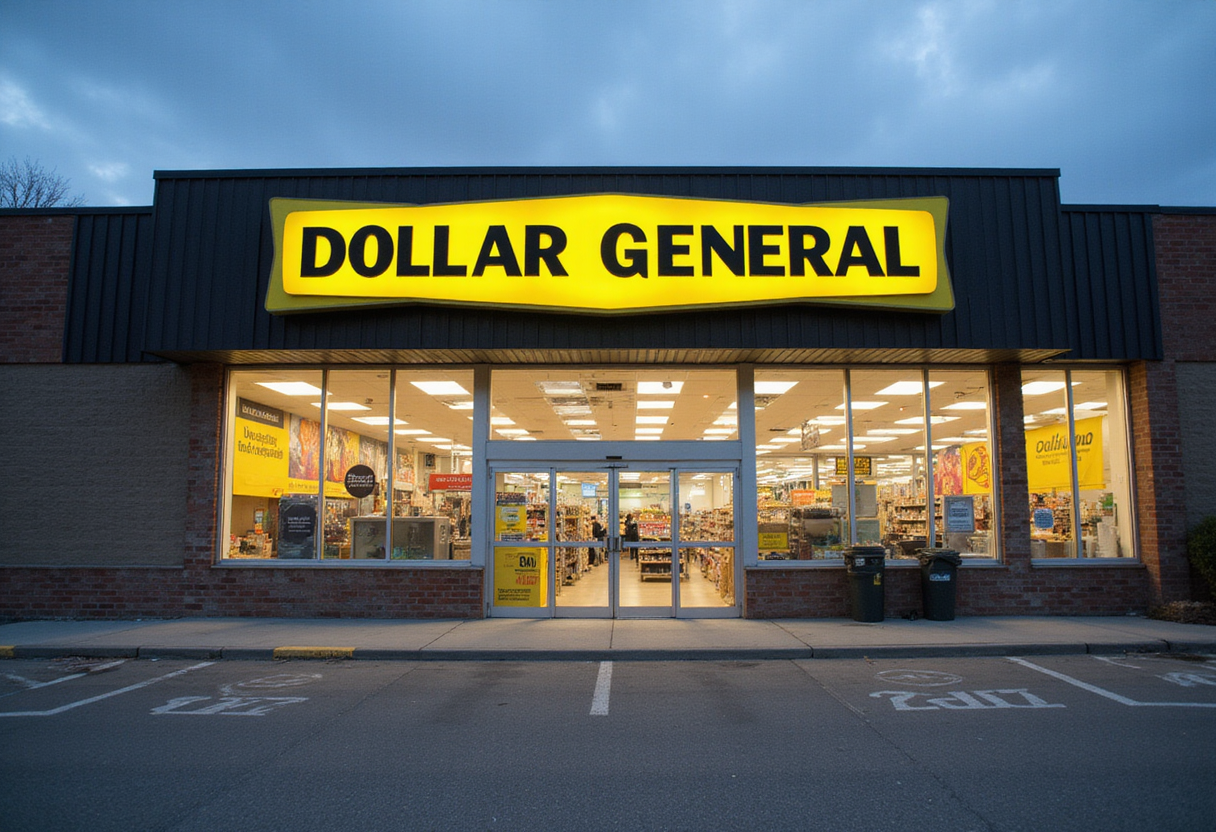
Dollar General is expanding its retail media network, adding AI-powered audio advertising and rolling out a unified advertising platform, according to Supermarket News.
The move signals how seriously the discount retailer takes advertising as a revenue line. Dollar General joins a growing cohort of mass-market and value retailers that now operate retail media networks — and it is doing so with two distinct capability upgrades at once: artificial intelligence applied to audio ad formats, and consolidation of its ad-buying surfaces into a single platform.
What is actually new?
Two things change for practitioners.
First, AI-powered audio. Audio advertising has become one of the faster-growing formats in retail media, because it lets retailers monetize moments when shoppers are not staring at a screen. Applying AI to that format typically means automated ad creation, dynamic creative assembly, or audience-matched placement — capabilities that let a mass retailer sell audio inventory without demanding bespoke production work from small and mid-sized advertisers.
Second, a unified ad platform. Fragmented buying interfaces remain one of the most common practitioner complaints about retail media networks: separate teams, separate logins, separate reporting for onsite, offsite and in-store placements. A unified platform consolidates those surfaces, which matters for campaign management, budget allocation and measurement consistency across channels.
Why does a discount retailer's ad network matter?
Scale. Dollar General operates thousands of stores across the United States, with a footprint concentrated in rural and smaller communities that other national retailers do not reach as densely. For consumer packaged goods brands, that store network translates into first-party purchase data covering a shopper segment — value-oriented, often lower-income, frequently rural — that is harder to activate through other media channels.
That first-party data is the core asset. Retail media networks sell access to closed-loop measurement: advertisers can tie ad exposure to actual transactions through loyalty and payment data, then optimize against real sales rather than proxy metrics.
How does this fit the wider retail media picture?
Retail media is now one of the fastest-growing digital ad channels globally, and grocers and mass merchants sit at the center of it. Amazon, Walmart and Kroger built out large networks first; mid-size and value chains followed. Dollar General's expansion follows that playbook — deepen formats, simplify buying, and give advertisers more reason to shift budget from open-web programmatic into retailer-owned inventory.
Audio specifically is a notable addition because relatively few retail media networks offer it as a core format. Most networks concentrate on onsite search, display and, increasingly, offsite social and connected TV. Adding an AI-driven audio capability gives Dollar General a differentiator against peer networks and a way to extend campaigns into streaming audio and podcast-adjacent environments.
What should advertisers and martech teams watch?
For brands already selling through Dollar General, the expansion creates new questions worth answering:
- Format fit. Does AI-generated or AI-optimized audio work for the brand's creative standards, and who owns production QC?
- Platform consolidation. Does the unified platform replace prior buying routes, and do existing campaigns, audiences and reporting histories migrate cleanly?
- Measurement. How does audio attribution work within the network's closed loop, and can results be compared against onsite and offsite performance on equal terms?
- Budget mechanics. How trade spend, retail media spend and shopper marketing budgets interact inside the unified platform may determine who controls the wallet inside brand organizations.
The bottom line
Dollar General is betting that a broader format set and a simpler buying experience will pull more advertiser budget into its network. For practitioners, the practical change is operational: new AI audio formats to test, and a consolidated platform to plan against. As with every retail media expansion, the proof will sit in the measurement — whether incremental sales attributed through the network hold up under scrutiny.
Source: Google News: retail media network
Sophie Lindqvist
Show full bio
Senior reporter covering companies, deals and strategy in marketing technology at Martech Beacon.