Walmart Brings Retail Media Ads to YouTube Streaming Video
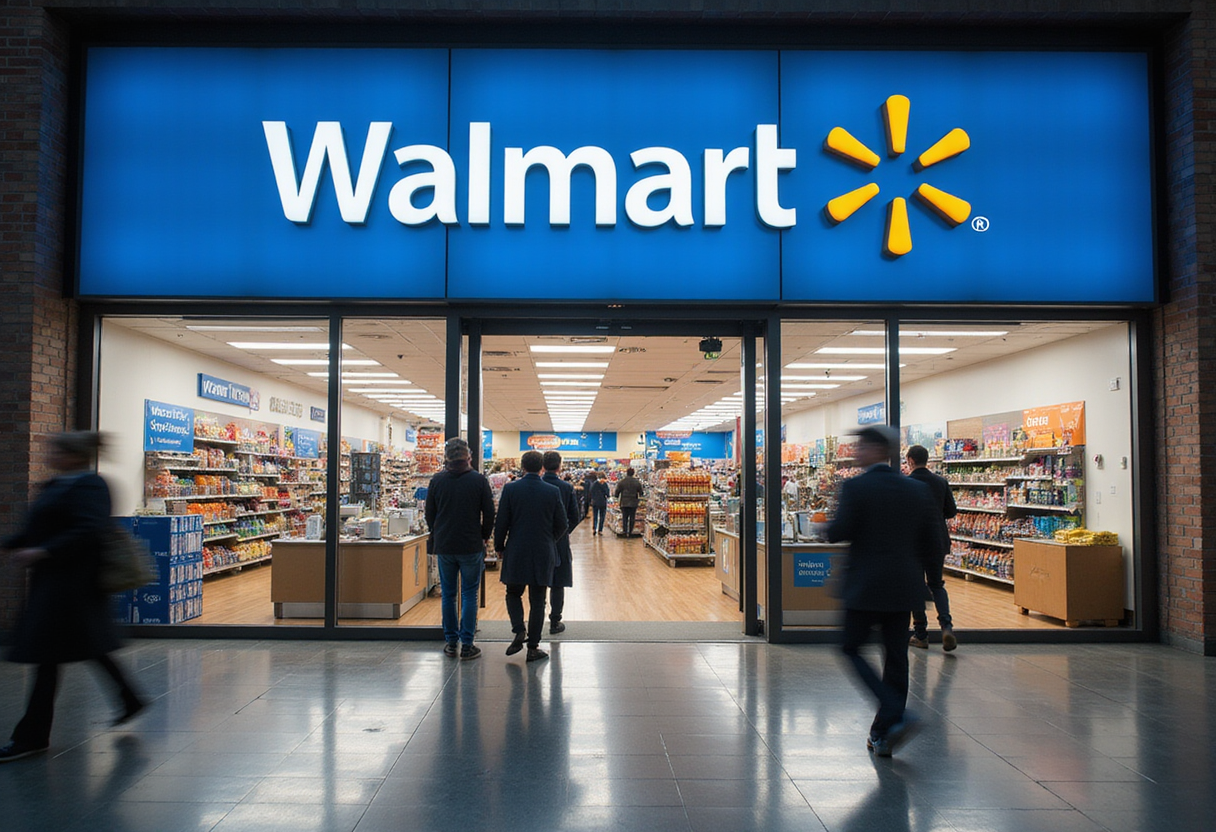
Walmart is placing retail media network ads inside YouTube's streaming video environment, marking the retailer's most significant extension yet of its ad business into connected-TV inventory.
The move takes Walmart's retail media placements off its owned properties and into third-party video. The network's reach had previously centered on walmart.com and a set of off-site display partners. YouTube streaming now sits inside that footprint, and the addition pushes the retailer further into the off-site video pool where competing retail media networks have built inventory for several years.
For context, retail media networks — the ad businesses run by retailers using their own shopper data — have become one of the fastest-growing segments of digital advertising. The trade now touches a meaningful share of brand and agency planning cycles, and the channels that compete for those budgets have shifted from onsite search slots to off-site display, audio, and increasingly video.
What changes for practitioners?
A media buyer working through Walmart's network gains access to long-form video inventory they could not previously buy through the retail media console. Campaigns can now run against viewers watching YouTube on connected TVs, smart TVs, and mobile devices rather than catching shoppers only at the moment of search.
The shift also reframes how a Walmart-sold media budget flows. Spend that once bought sponsored product slots on walmart.com can now buy against streaming video impressions, paired with the targeting signal Walmart's shopper data brings.
For agencies running parallel YouTube direct buys alongside Walmart Connect campaigns, the merged offering creates a single planning surface that did not previously exist.
That consolidation matters because retail media budgets have grown faster than display and search budgets for several consecutive years. More of an advertiser's overall plan now flows through retailer-run networks than ever before.
Why YouTube streaming video?
YouTube runs the largest independent video environment on the open web. Its streaming tier sits inside the connected-TV bucket that has absorbed an outsize share of digital video budgets over the past several years.
Pairing that video supply with the first-party shopper signal Walmart controls produces a targeting package combining two of the most-watched assets in digital advertising: closed-loop purchase data and premium video reach.
For a buyer, a YouTube impression bought through Walmart now carries a likelihood-of-purchase signal a standard YouTube direct buy does not. The result is a media product no competitor has matched in this exact configuration.
What stays unclear?
Three mechanics will determine how the YouTube placement actually performs for buyers:
- Auction mechanics. Whether Walmart runs YouTube streaming video through its self-serve console, through managed-service only, or as a hybrid model
- Measurement. Which attribution partner closes the loop between a YouTube impression and a Walmart purchase, and whether Walmart reports view-through conversions for the new placement
- Creative specs. Whether existing Walmart Connect display creative runs as-is, or whether the network requires CTV-ready video assets with specific length and resolution standards
These three questions carry weight because the network's core pitch — closed-loop measurement from impression to basket — depends on what YouTube inventory actually exposes to advertisers.
What practitioners should watch next
Pricing for the new placement, the rollout cadence, and whether YouTube inventory sits inside the Walmart Connect console or behind a managed-service gate will all shape buying behavior over the next two quarters.
Agencies carving out a YouTube line item separately from Walmart Connect should also watch how the two channels reconcile in reporting. A unified console view would simplify reconciliation; a split view would add work.
The broader signal: as the largest U.S. retailer by revenue extends its retail media network into YouTube's streaming inventory, other retail media networks will face pressure to match the off-site video footprint.
The shape of that competitive response — and how quickly it arrives — will determine whether Walmart's move stands as a one-off extension or the start of a broader industry pattern.
Source: Google News: retail media network
Amara Osei
Show full bio
Market editor covering technology and product news in marketing technology at Martech Beacon.