Largest Mall Operator Launches Its Own Retail Media Network
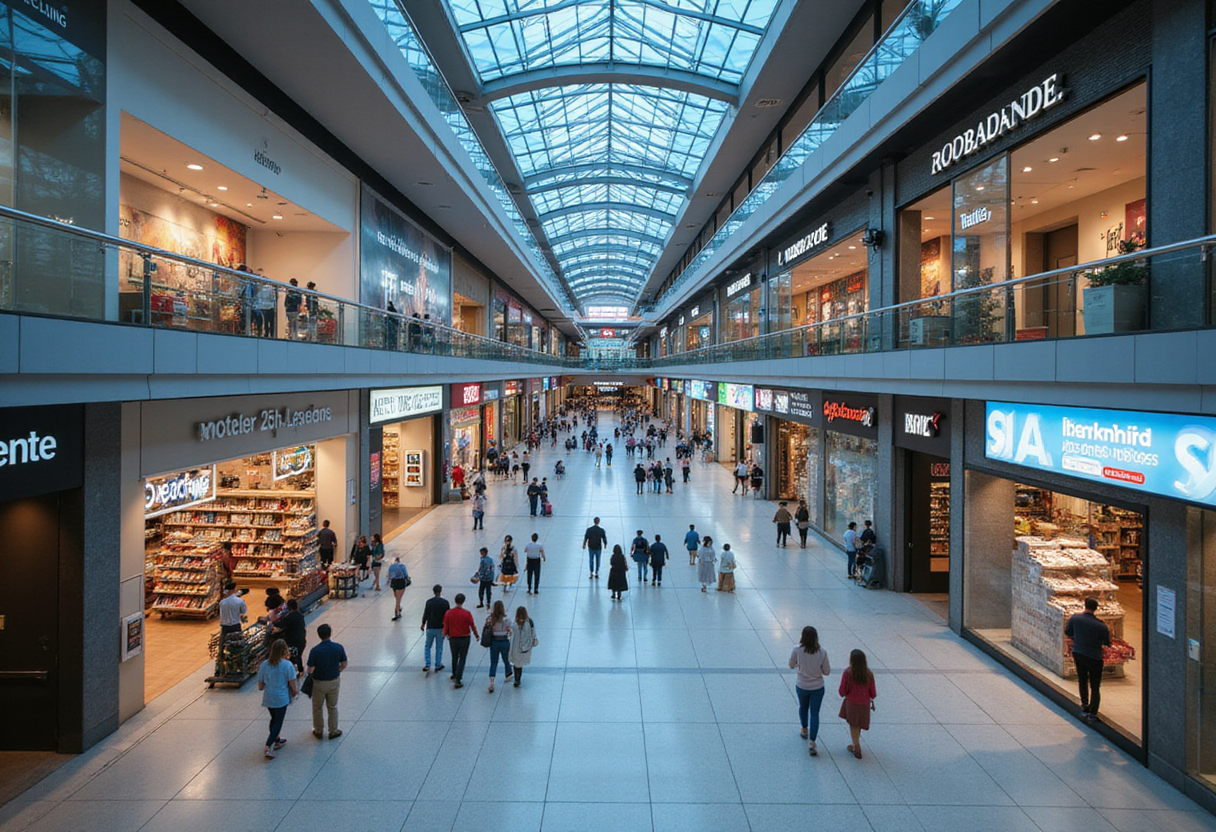
The largest shopping mall operator in the United States now runs its own retail media network. AdExchanger reported the launch this week, marking the clearest signal yet that retail media has moved beyond store shelves and e-commerce sites into physical shopping centers.
For years, retail media networks grew up around transaction data. Grocers, mass merchants and marketplaces sold sponsored placements against confirmed purchase behavior. Mall operators sat outside that model. They leased space, collected rent and watched brands spend elsewhere.
That posture has changed. The biggest player in mall operations has built an ad business of its own, according to the AdExchanger report. The move turns foot traffic, tenant proximity and visitor attention into monetizable media.
What does this change for retail media buyers?
Practitioners should treat the launch as an expansion of the off-site and in-store channel map. Mall-based inventory adds a new layer between traditional out-of-home advertising and store-level retail media. Brands that already buy screens, directories and common-area placements inside malls may soon buy them programmatically, through a single network operated by the landlord itself.
The strategic logic is straightforward. Mall operators know which tenants draw crowds, when traffic peaks and how shoppers move through a property. That behavioral picture resembles the audience data that powers digital retail media. Packaged correctly, it gives advertisers targeting signals no individual storefront can offer alone.
Why landlords want in
Retail media revenue has become the fastest-growing ad category, and property owners have watched retailers capture it. A mall-level network lets the operator claim a share of brand budgets that already flow through its buildings. It also deepens the operator's relationship with tenants, who gain another route to shoppers inside and around the mall.
For the operator, the economics compound. Advertising income rides on top of leasing revenue without requiring new physical footprint. Screens, digital directories and event activations already exist across most large portfolios.
What practitioners should watch
Several open questions will determine whether the network earns budget:
- Measurement standards. Can the operator tie ad exposure to store visits or sales, using methodology buyers will accept?
- Inventory scope. Which placements — digital signage, directories, parking, app inventory — fall inside the network at launch?
- Programmatic access. Will demand-side platforms and retail media intermediaries integrate the inventory, or will buyers deal directly?
- Data partnerships. How will the operator source transaction signals, given that malls do not process payments the way retailers do?
AdExchanger's report establishes the launch itself. Pricing tiers, integration partners and campaign specifications remain unreported at this stage. Buyers evaluating the channel should request those specifics before committing budget.
The wider shift
One launch does not remake the channel. But the largest mall operator entering retail media signals where physical-world advertising is heading. Property owners, transit systems and venue operators all control attention at scale. The tools for measuring and selling that attention now exist.
Retail media planners who built their maps around grocers and marketplaces should redraw them. The mall is no longer just a place where retail media happens incidentally. It is a place where retail media is sold deliberately.
Source: Google News: retail media network
Rebecca Stone
Show full bio
Staff writer covering companies, deals and strategy in marketing technology at Martech Beacon.