The stack watch
November 22, 2026 · 3 min read
Advertising TechWatch log
Ampersand Offloads Indie Agency Sales to Comcast, Spectrum From 2027
The Comcast-Charter-Cox TV ad JV offloads indie agency sales to Comcast Advertising and Spectrum Reach by Jan. 1, 2027, narrowing to holdcos and political ads after layoffs.
By James Calloway3 min read676 words
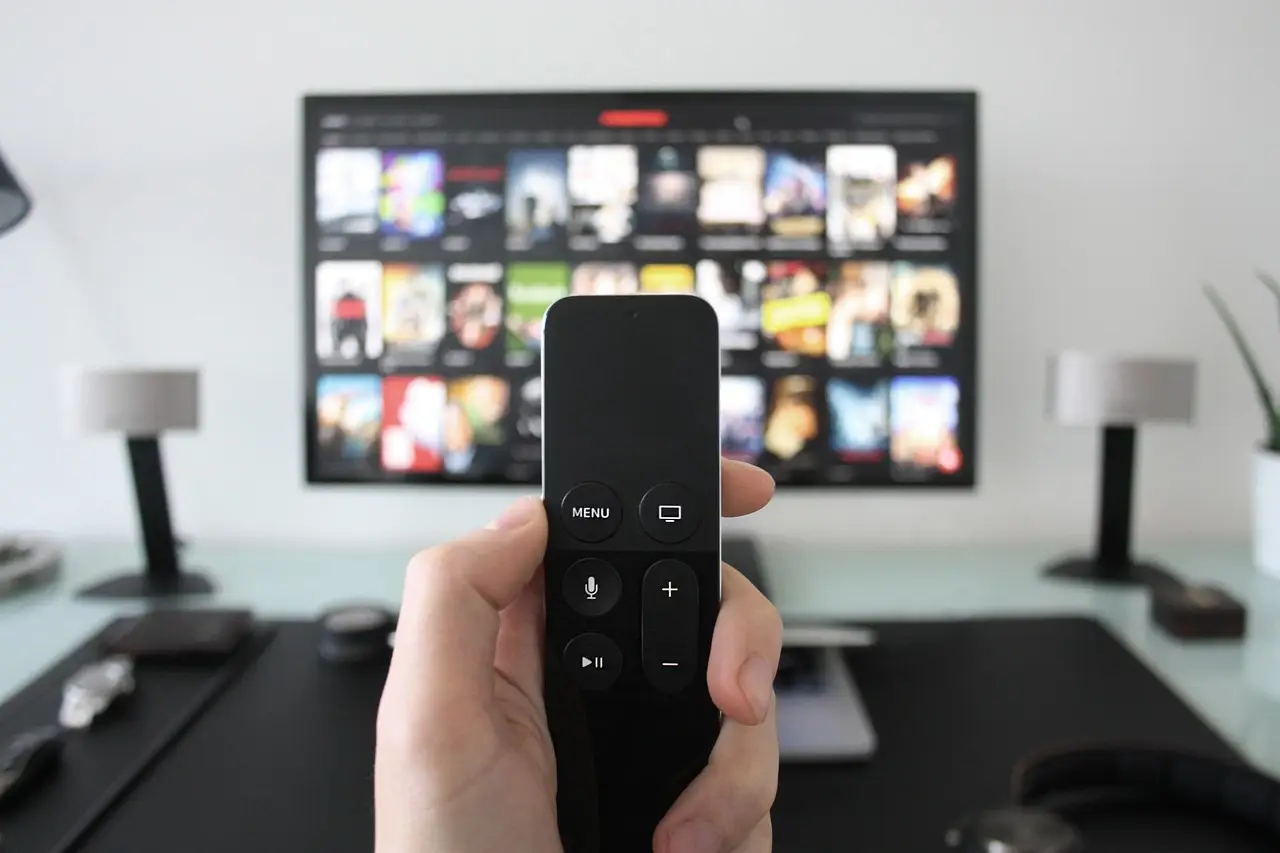
Ampersand will offload its independent agency business to Comcast Advertising and Spectrum Reach effective Jan. 1, 2027, shrinking the TV ad joint venture to agency holding companies and political advertising.
The company, a joint venture founded in 2019 by Comcast, Charter and Cox (which Charter now owns), sent a memo to clients in October announcing the change, a spokesperson confirmed. Ampersand will keep operating — but it's betting its future on a much narrower slice of TV ad demand.
The retreat follows multiple rounds of layoffs over the past year and change, which the company never publicly announced, according to a source with knowledge of the business who spoke anonymously.
What does the handoff change for indie agencies?
Ampersand declined to explain why it's giving up indie agency ad sales. But the client memo offers hints.
"This new model will give independent agencies more direct access to Comcast Advertising and Spectrum Reach's differentiated capabilities across premium video, streaming, data and technology, advanced audiences, measurement and attribution," the memo reads.
Read that carefully. It's a polite way of saying indie agencies would rather tap Comcast or Spectrum directly than pay a go-between. Media buyers increasingly want direct access to TV and streaming inventory as they chase cost cuts and ad performance. The memo also implies indie shops value capabilities that only live in Comcast's and Spectrum's own ad tech stacks.
There's a structural wrinkle too. Ampersand specializes in local TV advertising, and indie agencies may simply care less about direct local inventory access than, say, political advertisers do.
How bad is it inside Ampersand?
Pretty bad, at least by the glass-half-empty standard of Glassdoor reviews. "There have been mass layoffs over the past two years," a former Ampersand account executive wrote in October. "Most people expect the company to close in the next 2-3 years."
Another account executive, still employed when writing in October, was blunter: current leadership is "driving the company into extinction." "Over the last few years, they have done little to develop or improve products or relationships. Instead, they have focused on reducing staff."
AdExchanger first approached Ampersand after hearing rumors of a full shutdown from a source familiar with the company. Ampersand denied the rumors and stressed it will operate next year. Other Glassdoor reviews echo the pessimism about long-term viability.
The company confirmed the indie agency handoff has impacted roles, though it declined to share numbers. It also acknowledged a separate, unrelated round of layoffs in 2024. No figures for either. That silence is itself data.
Why politics and holdcos?
Ampersand's pivot targets the most reliable pockets of TV ad demand. In January, it launched TrueStream Political, an ad platform built to help political advertisers reach voters more accurately across connected TV environments. Its pitch: reconciling audience and identity across disparate CTV platforms, a persistent pain point for CTV buyers.
The math makes the bet look sensible. Political advertisers spent $12.06 billion leading up to the 2026 midterm elections, per AdImpact — the first time a midterm cycle has topped a presidential election in ad spend.
But political money is seasonal. It spikes roughly every two years, and even the recent uptick in non-election years doesn't change that rhythm. Holdcos, by contrast, bring steady, contracted demand. Streaming, of course, stays hot regardless.
Will the narrower focus save Ampersand?
Maybe. The JV is cutting itself down to businesses where it still holds a defensible edge: aggregated linear-plus-streaming data at national and local scale, political targeting, and holding company relationships. Comcast and Spectrum Reach absorb the indie channel where Ampersand's middleman value had clearly eroded.
What's not said matters as much as what is. No financial terms. No layoff counts. No named executives. No timeline beyond the Jan. 1, 2027 handoff. For a company founded to bridge linear TV and streaming, the gap apparently proved easier named than crossed.
Streaming and political are hot right now. Whether that's enough to keep Ampersand alive — stay tuned.
Plot points
- Ampersand offloads its indie agency business to Comcast Advertising and Spectrum Reach effective Jan. 1, 2027.
- Ampersand is a JV founded in 2019 by Comcast, Charter and Cox (now owned by Charter).
- Political advertisers spent $12.06 billion on the 2026 midterms, per AdImpact — a first for a midterm cycle.
- Ampersand launched TrueStream Political in January for cross-CTV voter targeting.
- The company confirmed role impacts from the handoff plus a separate 2024 layoff round, sharing no numbers.
via glassdoor.co.uk (Original)
More from James Calloway
Show full bio
Correspondent covering people, launches and day-to-day practice in marketing technology at Martech Beacon.
38 articles
Neighbouring fixes
- Target's Roundel Becomes First Retail Media Network on DirecTV Remote
- Political Ads Pushed 10% of Streamers Toward Ad-Free Tiers
- Amazon and Walmart Ate 85.5% of US Retail Media. Everyone Else Fights Over Scraps
- Broadsign and Mirakl Ads Partner to Link In-Store Screens and E-Commerce Retail Media
- Target's Roundel Tests ChatGPT Ads as Early Retail Media Partner