Log entry Nº 194 · the stack watch
Bearing E 090° · October 20, 2026 · 2 min read
AI in MarketingE 090°Watch log
Adobe Bets on Conversational AI Editing as a 'Fundamental Shift'
Adobe calls its push into conversational AI editing a "fundamental shift" in creative work — one that puts plain-language prompts where menus and timelines used to be.
By Sophie Lindqvist2 min read406 words
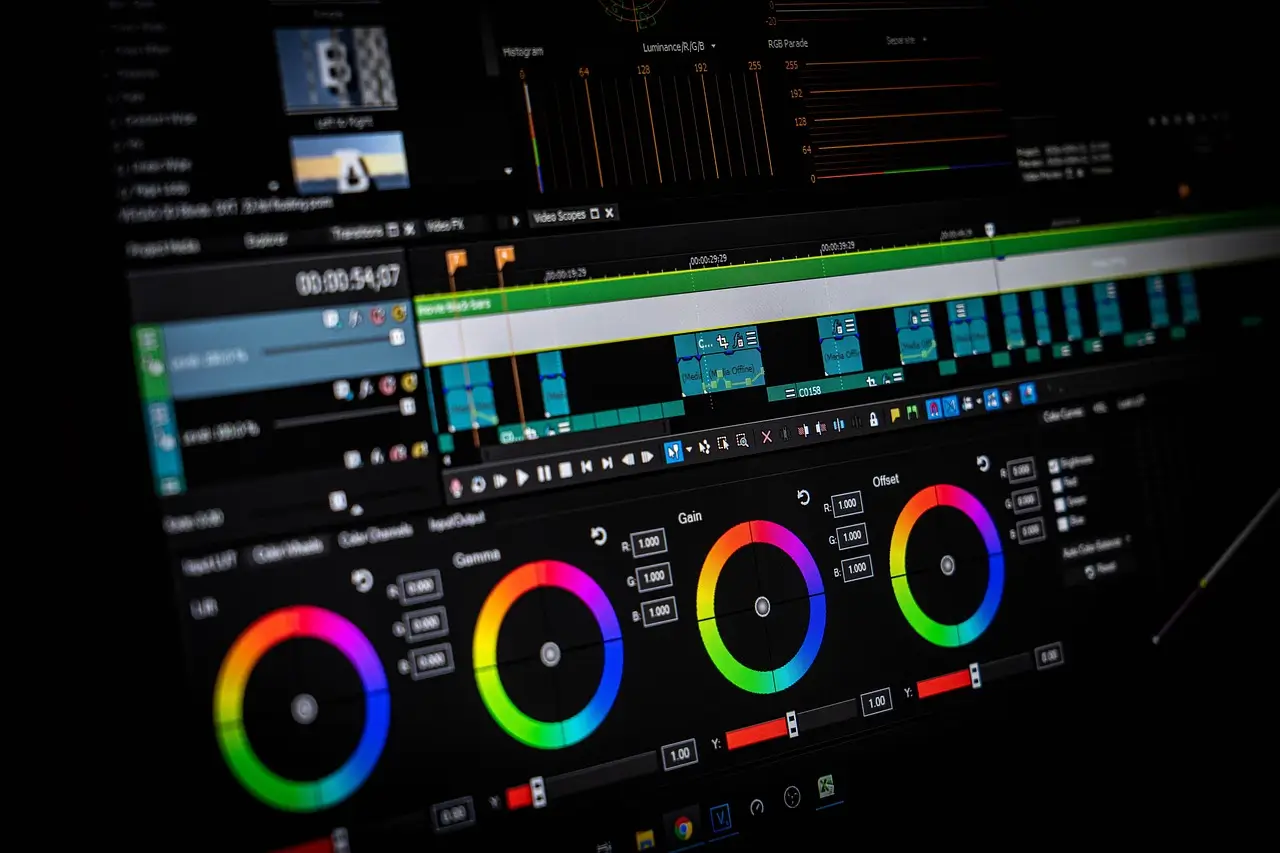
Adobe is throwing its weight behind conversational AI editing, a move the company itself frames as a "fundamental shift" in how creative work gets done. The Verge reported the announcement. For martech teams that live inside Adobe's tools, the message is blunt: the interface is no longer sacred.
The shift is conceptual as much as technical. Instead of hunting through menus, layers and timeline panels, practitioners would describe the edit they want in ordinary language and let the system execute it. The prompt becomes the tool.
What does this actually change for practitioners?
Plenty, potentially. Creative operations teams already struggle with a shortage of skilled hands. Conversational editing lowers the skill floor, letting campaign managers, copywriters and junior designers produce work that previously required a specialist.
That cuts both ways, naturally. If anyone can prompt an edit, the value of knowing the tools cold drops accordingly. Specialists will need to move up the stack — toward strategy, brand governance and the judgment calls AI still flubs.
Why does this matter for martech stacks?
Adobe sits at the center of a great many marketing technology estates. Its creative applications feed the content supply chains behind Experience Cloud, GenStudio and the broader personalization machinery. Faster production of assets means faster campaign cycles.
It also means more content to govern. Brand teams should expect their review and approval workflows to come under fresh pressure. Volume has a habit of outrunning oversight.
Is this the end of the traditional editing timeline?
Not immediately, and Adobe isn't claiming that it is. A "fundamental shift" is careful phrasing — the company wants credit for the direction of travel without promising the destination on a date. Conversational editing will coexist with manual tools for a long while.
The realistic near-term picture: AI handles the routine work — rough cuts, format conversions, repetitive adjustments — while humans keep the creative and strategic decisions. The boring parts go first. They usually do.
What should teams do now?
Three practical moves suggest themselves:
- Audit the workflow. Identify which production steps are repetitive enough to hand to conversational tools first.
- Rethind training. Prompt craft becomes a legitimate skill; menu mastery becomes less of a moat.
- Tighten governance. More generated assets means more chances for off-brand output to slip through.
The takeaway is simple: Adobe is repositioning creative software around language, and marketing teams that plan for that now will move faster than the ones that don't.
Plot points
- Adobe is embracing conversational AI editing across its creative tools
- The company describes the move as a 'fundamental shift' in creative work
- The Verge reported the announcement
- The change points to plain-language prompts replacing traditional menu-driven editing
via Google News: HubSpot Salesforce marketing (Source)
More from Sophie Lindqvist
Show full bio
Senior reporter covering companies, deals and strategy in marketing technology at Martech Beacon.
46 articles
Neighbouring fixes
- Adobe puts Coworker agent orchestration inside GenStudio
- Adobe’s GenStudio AI agents move deeper into campaigns
- Adobe Expands Creative Agent Across Firefly, Photoshop and Premiere
- Adobe launches Claude connector for Creative Cloud inside AI chat
- Adobe Launches 'Adobe for Creativity' Inside Anthropic's Claude